Bluebird K7 The Festival
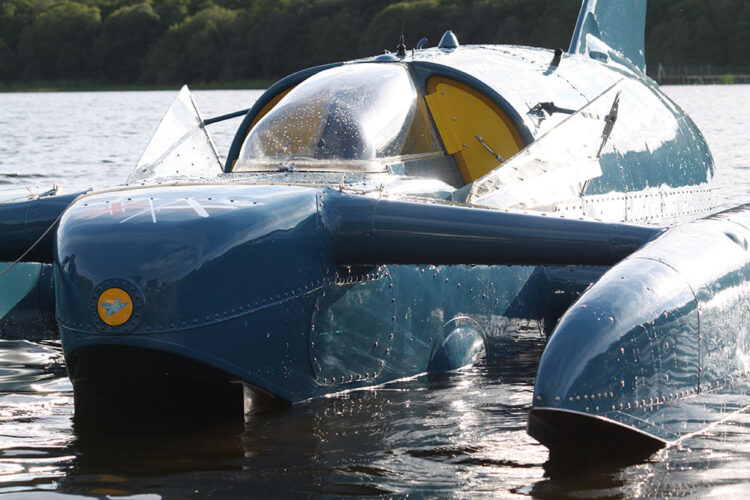
Bluebird K7 return to the waters of Coniston for the first time since that fateful day in 1967. It will also be a celebration of the 70 year anniversary of Donald Campbells fist water speed record.


Timeline Post Type Description
Bluebird K7 return to the waters of Coniston for the first time since that fateful day in 1967. It will also be a celebration of the 70 year anniversary of Donald Campbells fist water speed record.
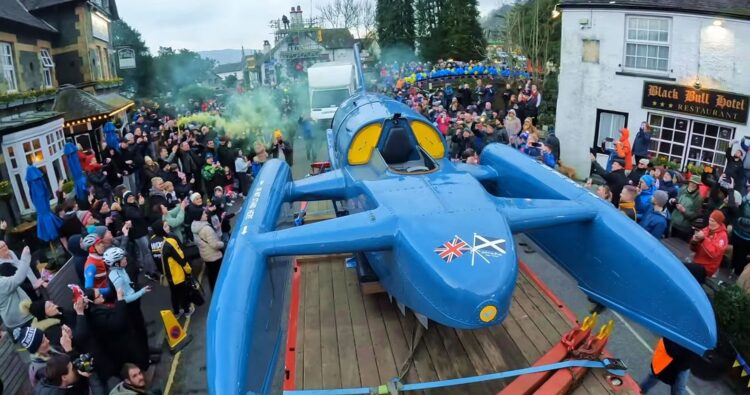
Donald Campbell’s record-breaking hydroplane, Bluebird K7, returned to the village of Coniston after a 23-year absence, following its recovery from the lake bed in 2001, the craft was transported from a restoration workshop in North Shields to its permanent home in the purpose-built Bluebird Wing of the Ruskin Museum
Donald Campbells body was interred in Coniston cemetery on 12 September, after a funeral service at St Andrews Church in Coniston.
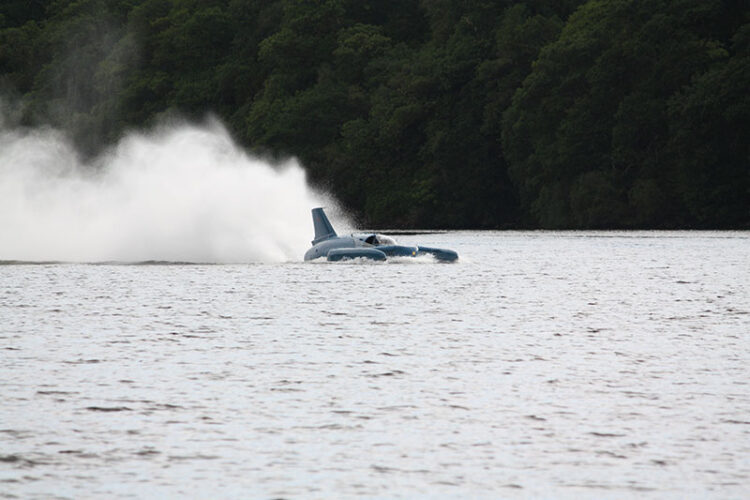
Restored Bluebird K7 returns to the water for the first time in 51 years for successful trials on Loch Fad, Scotland, proving it can run again after restoration.
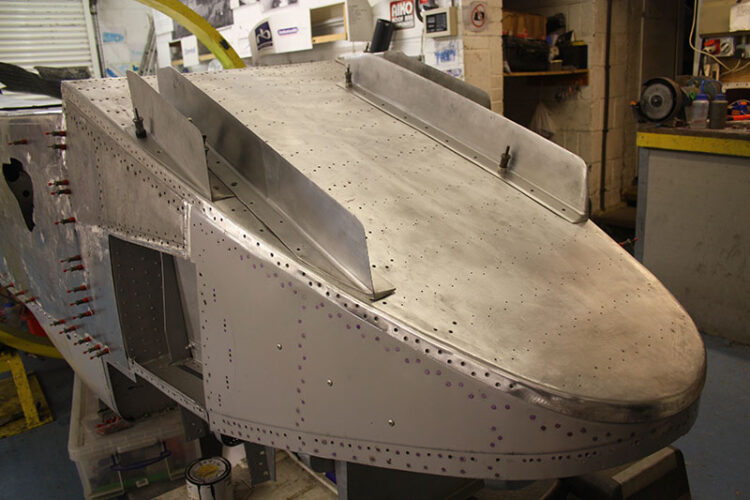
The Bluebird Project begins restoration work led by engineer Bill Smith.
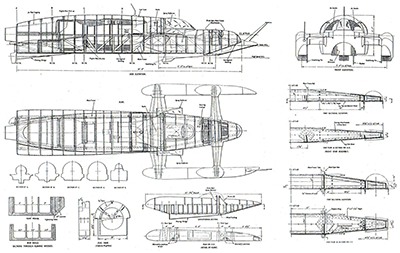
After the destruction of his earlier boat Bluebird K4, British speed-record driver Donald Campbell began developing a new craft capable of far higher speeds. The result was Bluebird K7, designed by Ken and Lew Norris as a three-point hydroplane powered by a turbojet engine, a revolutionary concept at the time. Construction used a steel hull…
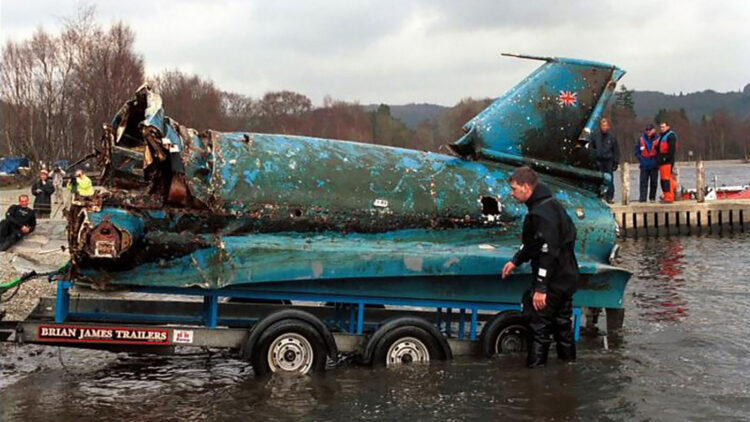
Following a search led by Bill Smith, the main wreckage of Bluebird K7 is recovered
Campbell’s body was retrieved from the lake on 28 May 2001.

On 4 January 1967, Campbell mounted his record attempt. Bluebird had completed an initial north–south run at an average of 297.6 mph (478.9 km/h), and Campbell used the new water brake to slow K7 from a peak speed of 311 mph (501 km/h) when he left the measured kilometre. Instead of coming to a stop…
Bluebird K7 Water Speed Record Lake Dumbleyung 276.33 mph (444.71 km/h) 31 December 1964